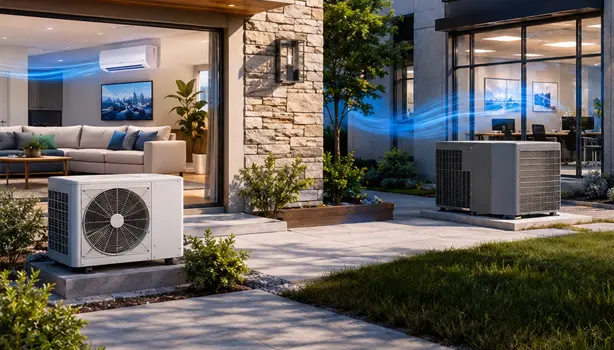
Charlotte, NC · HVAC maintenance
HVAC maintenance in Charlotte, NC: what a real tune-up covers.
Charlotte summers are long, hot and humid, and most heat pumps here run almost year-round. This guide covers when to schedule maintenance, what the technician should actually check and what you can handle yourself.
Quick answer
Most Charlotte homes should get HVAC maintenance twice a year. Do the cooling tune-up in April or May and the heating tune-up in October or November. A proper visit cleans the coils and flushes the condensate drain. It also tests refrigerant charge and electrical parts and checks the heat pump or furnace safeties. In our humid climate, the drain line and the coils cause the most summer breakdowns.
Why Charlotte is hard on HVAC systems
An HVAC system in Charlotte works hard for most of the year. Summer humidity is the biggest reason, but it isn't the only one:
- Humidity. Summer dew points here often sit near 70°F. Your air conditioner has to pull gallons of water out of the air every day, not just cool it. That water drains through a small condensate line, and algae and sludge grow in it. When the line clogs, the system shuts down or water damages the ceiling.
- A long cooling season. Cooling often starts in May and runs well into September. A system that runs that many hours wears out capacitors, contactors and fan motors faster.
- Spring pollen. Every spring, pine and oak pollen coats the outdoor coil and gets pulled into return filters. A coated coil can't release heat, so head pressure rises and the compressor works harder.
- Heat pumps doing double duty. Our winters are mild, so most Charlotte homes heat with a heat pump. The same compressor that cools all summer also heats all winter, and it rarely gets an off-season.
- Attics and crawlspaces. Many homes have the air handler in an attic that can pass 130°F in July, or ductwork running through a damp crawlspace. Both conditions are hard on equipment and insulation.
When to schedule: the Charlotte maintenance calendar
The best timing follows the local seasons, not the calendar on the box. Here is the schedule we recommend for a typical Charlotte home:
| When | What | Why it matters here |
|---|---|---|
| April – May | Cooling tune-up | After peak pollen, before the first 90°F week. Coils get cleaned and the drain line gets flushed before humidity season. |
| October – November | Heating tune-up | Before the first freeze. Tests the heat pump defrost cycle, backup heat strips or furnace burners and safeties. |
| Every month | Filter check | Swap filters more often from March to May, when pollen loads are highest. |
| June – August | Drain line check | A quick look at the condensate line and float switch during the most humid months. |
If you only do one visit a year and you have a heat pump, make it the spring visit. Cooling season puts the most strain on the equipment, and humidity-related failures cost the most when they happen.
What a real tune-up includes
A tune-up isn't just a quick look and a sticker on the unit. Here is what a thorough visit should cover. Use this list to compare quotes.
Cooling side (spring)
- Clean the outdoor condenser coil and check the fins for damage
- Inspect the indoor evaporator coil and clean it if accessible
- Measure refrigerant charge with superheat or subcooling, not by guessing
- Test the capacitor (the #1 summer no-cool part) and inspect the contactor
- Check the condenser fan motor and blade
- Record the temperature drop across the indoor coil
Heating side (fall)
- Heat pumps: test the reversing valve, the defrost control and sensor, and the auxiliary heat strips. Confirm the thermostat stages are set up correctly so backup heat doesn't run when it shouldn't.
- Gas furnaces: inspect the burners, clean the flame sensor, check the inducer motor and pressure switch, and inspect the heat exchanger for cracks. Check the flue for proper venting and test for carbon monoxide.
- Check the safety limit switches and the high-limit operation
Airflow, drainage and electrical (every visit)
- Flush the condensate drain line, treat the drain pan and test the float or safety switch
- Measure static pressure to catch restricted ducts or undersized returns
- Inspect and clean the blower wheel and motor, and check the amp draw
- Tighten electrical connections and check the voltage at the disconnect
- Check the thermostat calibration and operation
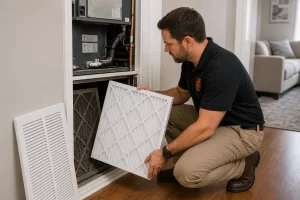
- Replace or inspect the filter, and confirm the correct size and MERV rating
What you can do yourself between visits
A few simple habits keep your system running well between professional visits:
- Change the filter on schedule. A clogged filter is the most common cause of a frozen coil in summer. Our MERV and filter guide covers sizes and ratings.
- Keep 2 feet clear around the outdoor unit. Trim shrubs back and keep mulch, leaves and grass clippings off the coil.
- Rinse pollen off the coil gently. Turn the power off at the disconnect first. Use a garden hose, not a pressure washer, and spray from the inside out if you can.
- Watch the condensate line. If you see water in the secondary pan or the safety switch shuts the system off, call us before it overflows.
- Keep supply and return vents open. Closing vents in unused rooms raises static pressure. It doesn't save energy on most systems.
Signs your system needs attention before the next tune-up
Don't wait for the next scheduled visit if you notice any of these:
- Ice on the refrigerant lines or the indoor coil (here's why ACs freeze up in Charlotte humidity)
- Water around the indoor unit or a stain on the ceiling below the attic unit
- Indoor humidity above 60% while the AC is running
- Short cycling, where the system turns on and off every few minutes
- New buzzing, grinding or squealing (see our guide to strange HVAC noises)
- An electric bill noticeably higher than the same month last year
If something has already stopped working, read our Charlotte AC repair guide or our heating repair guide.
Is a maintenance plan worth it?
A maintenance plan bundles both seasonal visits, so they get scheduled automatically and nobody has to remember. Plans usually include priority scheduling during heat waves and cold snaps, and they keep a service record for your warranty.
A plan makes the most sense in these cases:
- You have a heat pump, which runs year-round
- The system is 8 or more years old and you want to get the most life out of it
- You own rental property and need documented service
- You run a business where downtime costs money, such as a restaurant, an office or a retail space
Ask us about residential and commercial plans when you call. We'll recommend a visit schedule that fits your equipment, so you don't pay for a one-size-fits-all package.
Commercial HVAC maintenance in Charlotte
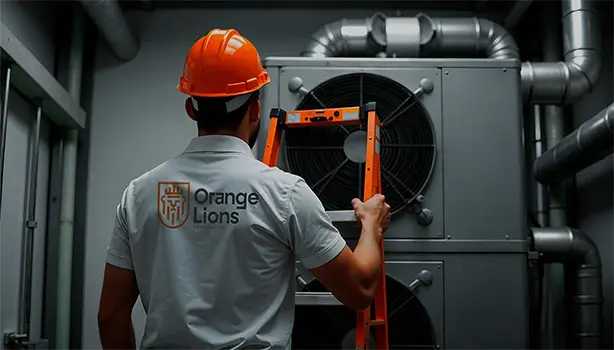
Commercial systems need more frequent attention. Rooftop units on restaurants and retail buildings deal with grease-laden air, long run hours and roof-level heat. Quarterly visits are common. Each visit covers filter changes, belt inspection and tension, coil cleaning, economizer checks and drain work. Read more in our commercial HVAC guide for Charlotte businesses.

Written by the Orange Lions Mechanical teamLicensed HVAC and refrigeration contractor in Charlotte, NC (State License #36527). Residential and commercial service across Mecklenburg, Union, Cabarrus and Gaston counties.